

Mesotherapy

Skin aging unfortunately begins as early as the third decade of life. Sun exposure, smoking, and other external factors accelerate aging, resulting in the formation of wrinkles, discoloration, dark circles, and laxity.
What is mesotherapy?
Mesotherapy is a technique developed in France in the 1970s and involves injecting a mixture of vitamins, amino acids, and pharmaceutical substances into the superficial layers of the skin, at a depth of just a few millimeters, using an extremely fine needle (2–3 times thinner than an insulin needle) that literally leaves a drop with each prick. With this technique, we are able to deliver to the skin the nutrients and other substances it needs, in the amount it needs them, exactly where it needs them.
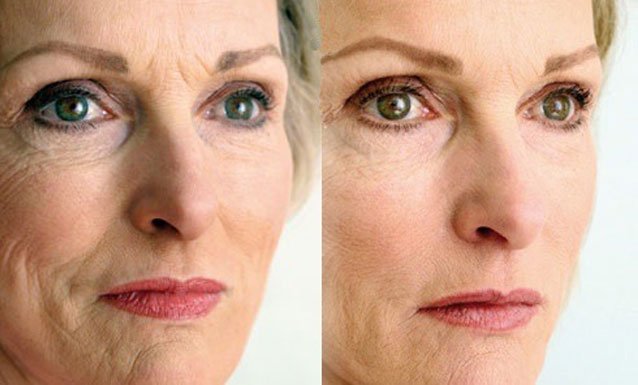
The substances used in facial mesotherapy mainly include multivitamin formulations (vitamins C, E, A, B, K, D), amino acids, trace elements and minerals, coenzymes, nucleic acids, antioxidants, and hyaluronic acid, resulting in deep hydration, tightening, revitalization, and regeneration of the skin, with reduction of fine wrinkles and lines, reduction of discoloration, and restoration of firmness, elasticity, and radiance.
How does it work?
The components of the mesotherapy mixture are carefully selected to supplement the nutrients the skin needs for proper function and defense against environmental damage, while also replenishing substances that decrease with age, such as hyaluronic acid. Specifically, substances commonly included are:
Hyaluronic acid: a highly hygroscopic substance (binds large amounts of water), providing deep hydration and also positively affecting collagen production, cell proliferation, and angiogenesis.
Vitamin C: a powerful antioxidant that supports collagen synthesis, inhibits free oxygen radicals, and reduces excessive local melanin production.
Vitamin E: a strong antioxidant that combats free radicals by inhibiting the action of hydrogen peroxide.
Vitamin A: has proven anti-wrinkle effects, reducing epidermal thickness and increasing elasticity while regulating healing and keratinization processes.
B vitamins: support fatty acid metabolism for biological balance and have antioxidant effects.
Amino acids: promote protein synthesis (collagen and elastin) by fibroblasts (increasing collagen production by up to 250% within 72 hours).
Trace elements: essential for hundreds of enzymatic reactions and key cellular functions.
Coenzymes: act as catalysts in biochemical reactions, reducing energy consumption and improving biological mechanisms.
Nucleic acids: enhance communication between cells to regulate and control protein synthesis.
Antioxidants: inhibit the destructive effects of free radicals.
A second important mechanism is activation of the skin’s self-healing processes, triggered by the micro-needle punctures used during mesotherapy. These punctures activate the healing response, leading to the release of growth factors around the treated area, which in turn stimulate fibroblasts to produce collagen and elastin.
Which areas can be treated?
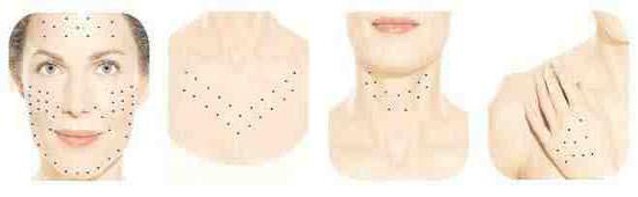
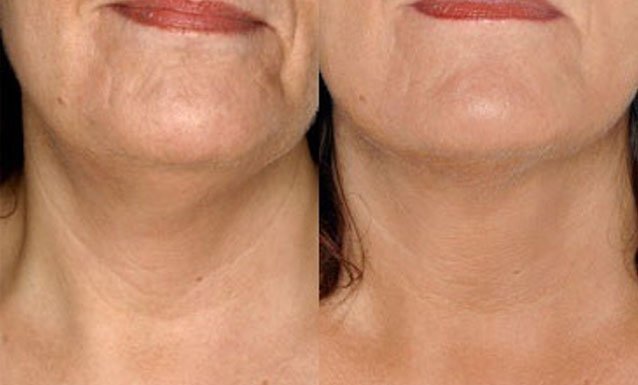
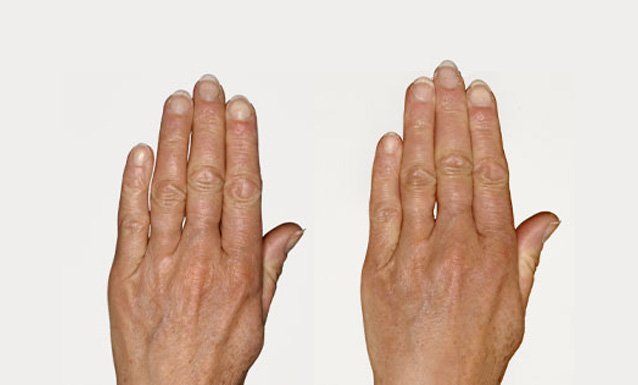
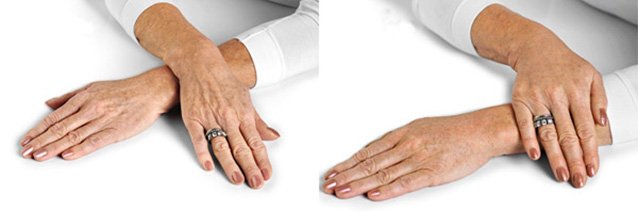
In addition to the face, mesotherapy can be applied to the neck, décolletage, hands, and any area of the body that requires improvement.
How is it performed?
The treatment is usually carried out with the help of a topical anesthetic cream (Emla) and is practically painless. The mesotherapy mixture is injected just beneath the skin surface using extremely fine needles (2–3 times thinner than insulin needles), spaced about 0.5–1 cm apart. The entire procedure lasts 15–20 minutes, and you can return immediately to your activities. Immediately after treatment, redness appears and usually lasts about 30 minutes. The tiny puncture marks typically disappear within 6–8 hours and can be covered with make-up right away.
When does the result appear?
Results gradually become visible within 7–10 days.
How often should treatments be performed?
Treatment frequency depends on each person’s needs and is individualized. There is no strict limit on how often treatments can be performed. In general, one session every 1–2 months is sufficient. In more intensive protocols, 3–4 initial sessions may be done every 1–2 weeks, followed by maintenance treatments every 2–3 months.
Are there side effects?
Possible side effects include small bruises from the needle pricks, which can be covered with make-up and usually resolve within 3–4 days, and mild swelling at injection sites that typically subsides within 10–12 hours. Allergic reactions to the mixture’s components are extremely rare.
What should I pay attention to?
Avoid taking aspirin or other analgesic or anti-inflammatory medications (except Depon or Panadol) for 7–10 days before treatment to minimize bruising. Inform us if you are pregnant or breastfeeding, as many components of the mixture should be avoided during pregnancy or lactation. Also inform us if you have any allergies to the mixture’s ingredients, active skin infections, or cold sores, as special preventive measures may be required.
To book an appointment, please contact us.