

Ear correction (Otoplasty)

The shape and size of the ears are genetically determined and may vary significantly between different individuals, as well as between the two sides of the same person. Normally, the ear has a size corresponding to approximately one third of the face, while the angle it forms with the head is about 23–30 degrees, creating a distance of 1.5–2 cm from the scalp.
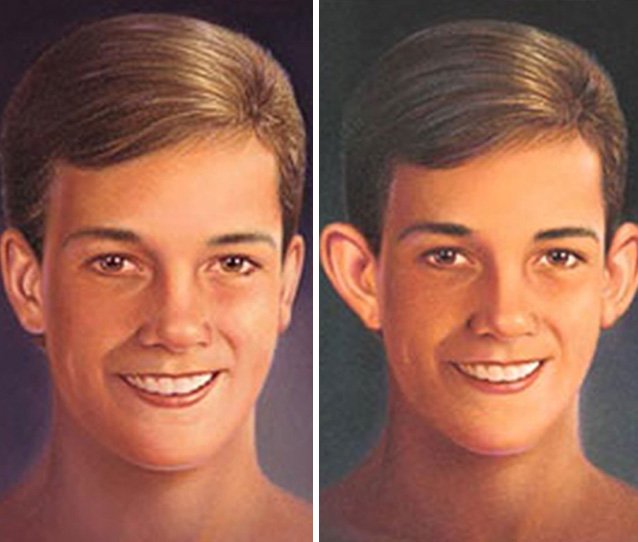
The ear consists of a cartilage framework that forms ridges and depressions, over which the skin is firmly attached. This alternation of cartilage elevations and hollows gives the ear its natural shape. Disturbances in the development of these structures can lead to ear deformities, such as protruding ears, often causing serious psychological distress that may affect a child throughout childhood and extend into adult life.
Otoplasty, or ear reshaping surgery, is the surgical correction of ear deformities with the aim of restoring a natural appearance and improving self-confidence, while helping to prevent psychological difficulties.
At what age is it performed?
Otoplasty is usually performed after the age of 4, when the ear has completed about 90% of its growth, ideally before the child starts school—when teasing and emotional stress often begin. However, it can also be performed later in life if the appearance of the ears continues to be a concern.
How is it performed?
Otoplasty is usually performed under general anesthesia in children, while in older patients it may be done under local anesthesia.
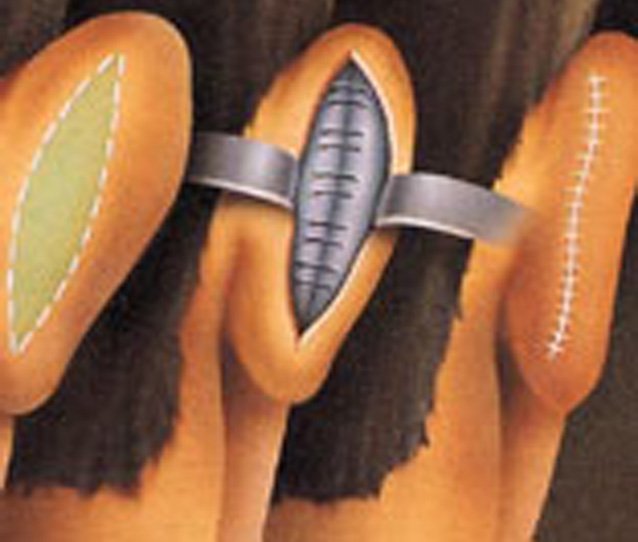
The procedure typically involves a 3–4 cm incision on the back surface of the ear, where it is not visible. In rare cases, and for specific conditions, the incision may be made on the front surface of the ear. The cartilage is then reshaped and sutures are placed to hold it in its new position until healing occurs.
What should I expect after surgery?
The procedure lasts approximately 1 to 1½ hours. After surgery, the ears are covered with soft dressings and wrapped with an elastic bandage for 3–5 days. Hospital stay is usually not required.
The pain is usually mild and is managed with analgesics such as Depon. In children, an antiemetic is usually also administered, as the dressing may cause nausea. The sutures used are typically absorbable and do not require removal. After the dressing is removed, it is necessary to wear an elastic headband (like those used for hair) continuously for one week and then only at night for another two weeks. Initially, mild swelling and bruising may appear, which subside over the following weeks, and the ears gradually take their final shape.
When can I resume my normal activities?
From the first day after surgery, you may move around freely, but intense physical activity and bending should be avoided.
For adults, return to desk work is usually possible after 1–2 days, while more physically demanding work may require 5–7 days. Full return to normal activities is expected after 3–4 weeks.
For children, return to school is allowed after one week (with great care to avoid injury). Swimming in the sea is allowed after two weeks, while sports and strenuous physical activity should be avoided for about one month. Ideal times for surgery are during Christmas and Easter holidays, or at the beginning of summer.
To book an appointment, please contact us.