
Nose reshaping (Rhinoplasty)

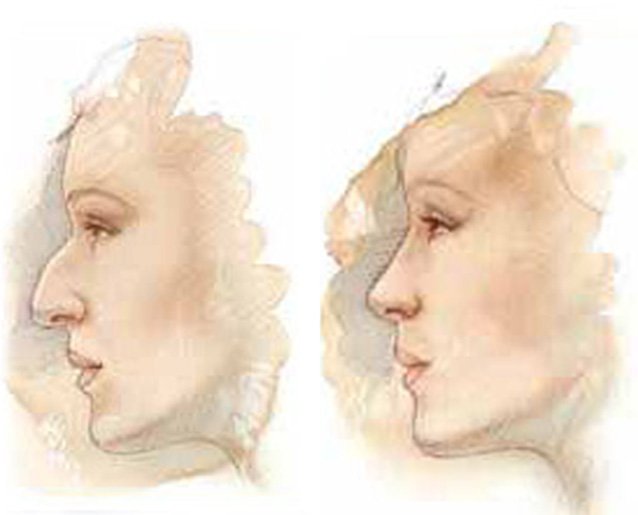
Rhinoplasty aims to improve both the appearance and the function of the nose and is one of the most commonly performed plastic surgery procedures. Through rhinoplasty, the size of the nose can be reduced or increased, imperfections of the nasal tip or bridge can be corrected, the size of the nostrils can be reduced, the angle between the nose and the upper lip can be adjusted, congenital or post-traumatic deformities can be repaired, and breathing problems can be treated. The ultimate goal is for the nose to blend harmoniously with the other facial features.
At what age is it performed?
Rhinoplasty can be performed at almost any age, but it is generally recommended after the age of 15–16, when nasal growth has been completed.
How is it performed?
The procedure is usually performed under general anesthesia and lasts 1–2 hours. The incisions are typically internal and not visible. In some complex cases, a small external incision may be made under the nose to allow better access to the internal structures; even then, the scar usually becomes barely noticeable after a few months.
The shape of the nose depends on its framework, which consists of bone in the upper part and cartilage in the lower part. Depending on the patient’s needs, small portions of cartilage may be removed or added, while the bony structure is reshaped using specialized instruments to achieve the desired form.
If the nostrils are very large, a small piece of skin may be removed at their base to bring them closer together.
If there is a breathing issue due to a deviated septum or enlarged turbinates, septoplasty or turbinate reduction may be performed at the same time.
The nose is packed internally with petroleum-soaked gauze and covered externally with a small splint.
What should I expect after surgery?
As mentioned, the procedure lasts 1–2 hours and you can usually go home the same day. The nasal packing is removed the day after surgery, while the splint remains in place for about one week. Internal sutures are absorbable, and if external incisions were made, the stitches are removed after one week.
Immediately after surgery, your nose will feel congested, similar to a heavy cold. Swelling around the nose and mild bruising under the lower eyelids are common. These can be minimized with cold compresses during the first 24 hours. Swelling usually lasts 3–4 weeks, while bruising fades within 5–7 days.
Pain is generally minimal — more of a feeling of pressure or discomfort — and is easily managed with pain relievers such as paracetamol (aspirin should be avoided as it can cause bleeding).
What complications may occur?
Mild bleeding is common during the first few days and is usually controlled with gentle pressure. Infection can occur, as with any surgery, and is treated with antibiotics. Temporary numbness of the nasal tip is normal and typically resolves within a few months.
When can I return to normal activities?
You may move around freely from the first day after surgery, but it is advisable to avoid strenuous activity for about one week. The splint is removed after one week, and extra care should be taken to avoid trauma for at least another 2–3 weeks. If you wear glasses, special care is needed for about four weeks. Most patients return to work within 5–7 days, while full activity is usually resumed after one month.

To book an appointment, please contact us.